Every building owner in New York City eventually faces the same small decision that carries large consequences: a repair needs doing, a room needs changing, or a commercial space needs work, and the question is whether to call a handyman or hire a general contractor. Both have a clear place in keeping a building running. The mistake is rarely choosing a bad worker — it is choosing the wrong kind of worker for the size of the job. A general contractor in NYC will give you the same honest advice a good handyman will: match the contractor to the work. This guide explains where the line falls, so a small fix stays small and a larger project gets the coordination and accountability it needs.
What a handyman does well
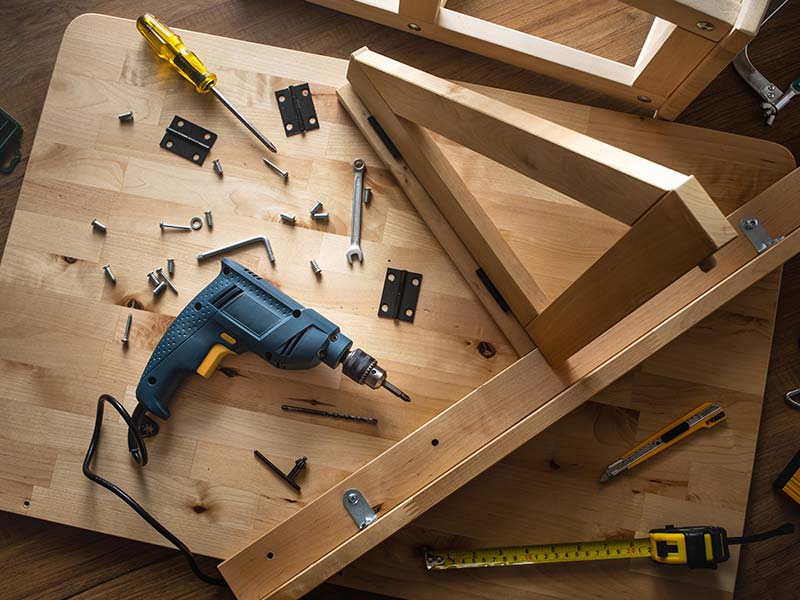
A handyman is at his best on work that is contained, visible, and finished in a single visit. Think of the steady list every property accumulates: a door that will not latch, drywall to patch and paint, a faucet to swap, shelves to install, caulking to renew, and the punch-list items that linger after a larger job is complete. For an office manager, a landlord, a retailer, or a homeowner, that responsive, single-trade help is invaluable. The scope is clear when he arrives, the work does not change how the building is built or used, and it is done when he leaves.
There is real skill in that work, and a good general contractor respects it. Hiring a commercial general contractor for a short list of minor repairs would often be more process than the job needs — more paperwork and a slower response for tasks that simply need a capable pair of hands today. If the job is one trade and one visit, a handyman is not the cheaper substitute for a general contractor. He is the right tool for that job.
What a general contractor brings: one contract, many trades
A general contractor is built for the opposite kind of job: work involving more than one trade, more than one day, and a sequence in which each stage depends on the last. An office build-out, a restaurant fit-out, a school renovation, or a warehouse alteration may need demolition, framing, plumbing, electrical work, and finishes, in that order, with inspections between stages. No single tradesperson carries that sequence alone. The general contractor in NYC signs one accountable contract for the complete scope, schedules the individual trades, coordinates materials, and remains the single point of responsibility when plans meet the reality of an existing building.
That coordination is the work, even when it is not visible on the finished wall. A NYC general contractor plans who is on site each day, what must be completed before the next trade starts, and how work proceeds in a space that may stay occupied while construction runs beside it. For commercial clients — offices, schools, institutions, retail, restaurants, and warehouses — that managed sequence protects the opening date and the business on the other side of the partition. A handyman working alone, however skilled, is not set up to carry that structure, and it is unfair to expect him to.
The permit line a general contractor in NYC has to respect
Permits are where the line between a handyman and a general contractor stops being a matter of preference. As a general rule in New York City, work that changes a building's structure, plumbing, electrical, or gas systems, or its means of egress generally needs permits and the licensed trades and design professionals behind those filings. Purely cosmetic work — painting, surface repairs, and like-for-like replacements that do not alter those systems — generally sits on the other side of the line. Exact requirements depend on the scope, so a responsible contractor checks the filing position for the job in front of him rather than guessing.
A commercial general contractor works inside that system every day: coordinating with the project's design professionals, sequencing construction around inspections, and keeping the records that let a space be signed off with confidence. A handyman engaged informally for permitted work puts the owner at risk, because the owner answers for work done in their building without the required filings. If a job includes moving a wall, relocating plumbing or electrical work, or changing how people enter and leave a space, treat it as general contractor work until someone qualified confirms otherwise.
Building rules often decide the question for you
In much of New York City, the building itself has a vote. Co-op and condo boards, landlords, and commercial property managers commonly require contractors to provide insurance documentation, a written scope, agreed work hours, and compliance with house rules on access, elevators, noise, and protection of common areas before anyone picks up a tool. Those requirements protect every other occupant and the building's own systems when work goes wrong or runs long.
A general contractor in NYC expects those questions and arrives with the paperwork, insurance, and supervision to answer them. A handyman, working as an individual, often cannot satisfy a board or landlord's requirements, even when the task is well within his ability. That is not a judgment on his workmanship; it is a mismatch of documentation and coverage. Ask your building management what they require — their answer may settle the question before you make a single call.
Risk, warranty, and honest cost
Every experienced contractor knows the moment a small job can become a large one: a wall is opened or an old fitting is removed, and the building reveals something nobody priced — deteriorated framing, outdated wiring, or a long-hidden leak. Under a general contractor, there is a contract, a defined process for pricing and approving changed work, and one accountable party responsible for the whole result. During an informal handyman visit, the owner can be left coordinating unfamiliar trades alone, mid-problem, with no agreed warranty behind the finished work.
Cost deserves the same honesty. A handyman's hourly rate will naturally look lower than a general contractor's managed price, because they are different products. The hourly rate buys one person's time on a defined task. A general contractor's price buys the task plus coordination, scheduling, filings and inspections where they apply, insurance, supervision, and accountability for the complete scope. On a single-visit repair, the handyman is the economical choice. On a multi-trade project, comparing the two as if they bought the same thing is how an inexpensive start becomes an expensive finish.
A simple checklist: handyman or general contractor?
Four questions sort most jobs quickly. First, is it one trade or many? One trade in a visit points to a handyman; several trades in sequence point to a general contractor. Second, are permits or licensed trades involved? If the work touches structure, plumbing, electrical, gas, or egress, start with a NYC general contractor. Third, does the building need to approve the worker? If a board, landlord, or manager requires insurance and documentation, hire the contractor who can provide them. Fourth, is the space occupied and commercial? Work phased around staff, customers, students, or tenants needs the planning a commercial general contractor is organized to provide. If your answers stay on the small side of all four, call the handyman with confidence. If any one crosses the line, the job has already told you what it is.
The right hire is the one matched to the job: a handyman for contained repairs and punch lists, a general contractor for coordinated, permitted, multi-trade work with real accountability behind it. Art-Tech Construction Corp is a general contractor in NYC, founded in 2017 and working under NYC DOB Insurance Tracking #623925, handling A-to-Z renovation and new build work across the five boroughs — commercial first, including offices, schools, institutions, retail, restaurants, and warehouses, with residential work as a secondary service. Call (212) 960-3895 for a free consultation and a free written quote, and we will tell you honestly if your job needs a general contractor at all — and if it does, we will scope it clearly in writing before any work begins.
Planning a project like the ones described here? Start with a free consultation and a free, detailed quote — call (212) 960-3895 or use the contact form.