Ask ten people what a general contractor does and most will say "builds things." True — but incomplete in a way that matters if you are paying for the project. A general contractor's real product is coordination: one company that turns drawings, permits, materials, and a dozen trades into a finished space, on a schedule, under one contract. This guide walks through what a general contractor in NYC actually does before, during, and after construction — and why the role exists at all.
One contract, one accountable general contractor
Every construction project involves many specialized trades: demolition, framing, plumbing, electrical, HVAC, tile, carpentry, painting, and more. A general contractor hires, schedules, and supervises all of them under a single agreement with you. When something goes wrong — a late delivery, a failed inspection, a wall that is not where the drawing put it — there is exactly one company responsible for fixing it. That single point of accountability is the core of what a general contractor sells, and it is why owners hire a general contractor instead of assembling trades one by one.
Before construction: scope, budget, and paper
A general contractor's work starts long before the first tool comes out. The pre-construction phase includes walking the space, testing assumptions about existing conditions, and building an honest scope — the written definition of exactly what will be done. From that scope, the general contractor prices the job trade by trade, so the budget has anatomy instead of being a single unexplained number.
Then comes the paper that NYC runs on: drawings coordination, Department of Buildings filings where required, permits, landlord and building-management approvals, and certificates of insurance. An experienced general contractor in NYC keeps these threads moving in parallel, because a project rarely slips on construction speed — it slips waiting on approvals nobody chased.
During construction: sequencing is the job
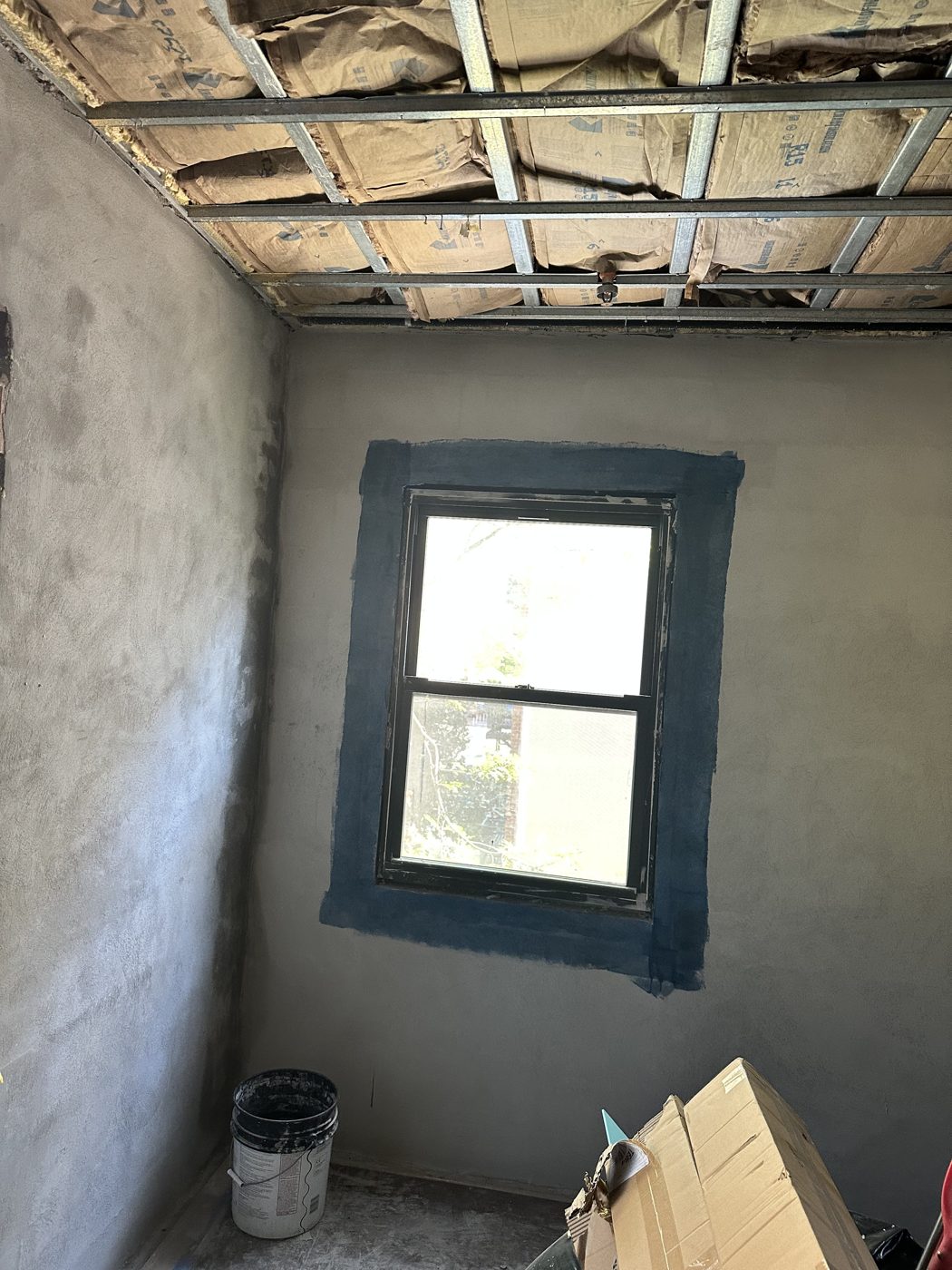
Construction is a sequence problem. Demolition must finish before rough work starts; rough plumbing and electrical must be inspected before walls close; ceilings, flooring, and paint have their own order. A general contractor builds the schedule that respects that sequence, books the freight elevator, protects the building's common areas, enforces work-hour rules, and re-sequences in real time when reality disagrees with the plan — a hidden pipe, a back-ordered fixture, an inspector's correction.
Quality control lives here too. The general contractor checks each trade's work before the next trade covers it, because the cheapest moment to fix a mistake is before it is buried behind drywall. Owners see the visible tip of this — daily progress — but the general contractor is running the whole iceberg.
The money: budgets, payments, and change orders
A general contractor also functions as the project's financial control. Payments are tied to completed work, material orders are timed so money is not sitting in a warehouse, and when scope changes — it always changes a little — the general contractor prices the change in writing and gets approval before doing the work. That discipline is what separates a budget that holds from a project that quietly costs half again its estimate.
Closeout: the phase amateurs skip
When the work looks finished, a general contractor's job is not. There is a punch-list walk to catch every detail, final inspections and sign-offs to close the filings properly, documentation to hand over, and a final cleaning that makes the space feel like a workplace instead of a job site. Projects that "finish" without this phase leave owners holding open permits and unfinished details — a general contractor's license and reputation ride on closing properly.
Why not hire the trades yourself?
Some owners consider acting as their own general contractor. It can work on very small jobs. On anything larger, the owner inherits the sequencing, the scheduling conflicts, the permit liability, the insurance gaps, and the finger-pointing when trades blame each other — usually while paying retail for every trade and learning coordination by trial and error. A professional general contractor's fee buys the network, the sequence, and the accountability in one contract.
The short version
A general contractor is the company that owns your project end to end: scope and budget before it starts, trades and schedule while it runs, inspections and closeout when it ends. Art-Tech Construction Corp works as a general contractor in NYC across commercial renovation in New York — offices, schools, institutions, retail, and restaurants — and residential remodeling, A to Z since 2017. If you are planning a project, start with a walkthrough and a written scope: call (212) 960-3895 for a free consultation and a free quote.
Planning a project like the ones described here? Start with a free consultation and a free, detailed quote — call (212) 960-3895 or use the contact form.